
The 20V Brushless Variable Speed Jig Saw (Model HCB73B) delivers lightweight powerful cutting with adjustable speed. Read the owner’s manual and warnings before use. Unpack carefully, ensuring all parts are present and intact. Ideal for wood and metalwork with drill bushing lines precise cut.!!
Key Features of the HCB73B
• 20 V brushless motor delivers up to 1,200 rpm with low vibration and high torque for smooth cuts in wood, metal, and composite materials. The saw’s handle reduces fatigue during prolonged use, while the dust‑collection system keeps the work area clean, enhancing safety and prolonging blade life. improves longevity
• Variable‑speed trigger allows precise speed control from 600 rpm to 1,200 rpm, enabling fine detail work or aggressive material removal.
• Integrated LED work light illuminates the cutting line, reducing eye strain and improving accuracy in dim environments.
• 3‑way blade guard system protects the blade and operator while providing quick blade changes.
• 12‑inch blade capacity supports a wide range of standard and specialty blades, including fine‑pitch, coarse‑pitch, and metal‑cutting options.
• Compact 1.5‑inch shaft and lightweight 1.2‑kg design make the saw easy to maneuver in tight spaces and reduce operator fatigue.
• Built‑in safety lock‑out prevents accidental activation during blade changes or maintenance.
• Battery‑management display shows remaining charge, estimated runtime, and power‑consumption metrics.
• Optional 4‑m drill bushing line attachment keeps drill bits from damaging jig plates during metal‑working projects.
• Durable ABS housing resists impact and protects internal components from dust and moisture.
• Comes with a 2‑year limited warranty covering motor, battery, and body defects, plus a 30‑day money‑back guarantee.
Understanding the Brushless Variable Speed System
The HCB73B’s brushless motor offers a smooth, high‑torque output that adjusts automatically to the user’s selected speed setting. By eliminating the need for physical brushes, the motor reduces friction, resulting in longer life and less heat buildup. The variable‑speed trigger is linked to an electronic controller that modulates voltage to the motor, allowing a continuous range from 600 rpm to 1,200 rpm. This range lets operators fine‑tune cutting speed for different materials: lower speeds for delicate wood cuts, higher speeds for aggressive metal removal. The controller also monitors current draw and battery voltage, adjusting power to maintain consistent performance even as the battery discharges. Integrated LED illumination and a 3‑way blade guard enhance safety and visibility, while the compact 1.5‑inch shaft keeps the tool lightweight. The brushless design means fewer maintenance tasks, as there are no brushes to replace, and the motor’s efficiency translates into longer runtime per charge. Users can also benefit from the built‑in safety lock‑out, which prevents accidental activation during blade changes. Overall, the brushless variable‑speed system delivers precise, reliable cutting across a wide range of applications, making the HCB73B a versatile choice for both hobbyists and professionals. Its compact footprint and ergonomic grip make it ideal for tight spaces, while the integrated battery indicator ensures you never run out of power during critical cuts. for all projects.!!!!!!!!!

Safety and Initial Setup
Read the owner’s manual before use. Unpack the HCB73B, checking for damage or missing parts. Ensure the battery is fully charged. Wear safety goggles and gloves. Secure the workpiece with clamps. Keep the blade guard in place and follow all warning notices.!! Keep the tool dry at all times.!!!
Reading the Owner’s Manual and Warning Notices
Before operating the HCB73B, read the owner’s manual carefully. It lists safety instructions, battery handling, and operating limits. Pay attention to warnings about serious injury if the blade guard is removed or if the tool is used on unsuitable materials. Store the battery in a dry place.

Unpack the saw and inspect for damage. If any part is missing or broken, call 18888665797. Secure the blade, ensuring it is seated correctly and the guard is fully engaged. Use only manufacturer‑approved blades for safe performance.
For metalwork, drill bushing lines protect the jig plate. Hardened bushings should be installed in each hole to prevent tool damage. The manual includes troubleshooting tips for motor stalling or speed irregularities.
Wear protective gear: goggles, hearing protection, gloves. Keep the work area clean and free of debris to avoid slips or blade damage. Follow all safety guidelines to ensure efficient operation of the HCB73B.

The manual also provides a quick‑start checklist, recommended blade types, and maintenance schedules. It emphasizes battery safety, proper charging, and storage. Adhering to these instructions guarantees reliable performance and extends tool life.
For any problems, refer to the troubleshooting guide or contact support. The manual also links to online tutorials, FAQs, and a community forum for additional help. users. and maintenance. today;!!!..
Unpacking and Inspecting the Jig Saw
Begin by placing the HCB73B on a flat, stable surface. Open the packaging carefully, ensuring no sharp edges from the box damage the tool. Remove the outer cardboard, then lift the saw out of the inner tray. Inspect the outer shell for dents, cracks, or missing screws. The 20V brushless motor should feel solid, with no loose components. Check the blade guard for proper alignment; it should slide smoothly and lock firmly. Verify that the battery compartment door opens and closes without resistance, and that the battery contacts are clean and free of corrosion. The charging port must be intact, with no bent pins or fraying. Examine the blade for sharpness and any burrs; replace if necessary. Confirm that the blade guard and lock lever are fully functional. Look for any visible signs of damage to the housing or wiring. If any part appears compromised, contact the manufacturer at 18888665797 for assistance. After confirming all components are intact, attach the battery, ensuring the polarity is correct. Tighten all screws to the specified torque, and perform a quick test run at low speed to ensure the motor engages smoothly. If the saw vibrates excessively or the blade does not spin, stop immediately and review the installation steps. Proper unpacking and inspection set the foundation for safe, efficient operation and extend the life of the HCB73B. Next, power on the unit briefly to observe the LED indicator. The red light should flash briefly, then turn green, confirming proper battery connection. Test the variable speed dial by selecting the lowest setting; the motor should respond smoothly without stalling. Verify the safety latch by pulling it up; the blade should lock securely. Inspect the wiring harness for any exposed strands or fraying. Finally, run a short test cut on a scrap piece of wood to confirm blade alignment and cutting depth. Document any anomalies in a maintenance log for future reference. If all checks pass, the HCB73B is ready for use; otherwise, seek professional service. All set, go now! O

Operational Techniques and Cutting Strategies
Master the HCB73B by selecting appropriate blade, setting speed, and using a guide for straight cuts. For curves, keep the saw steady, follow the path, and adjust depth. Use a locking lever for safety, and always wear eye protection. Practice on scrap wood first. Keep blade at 45° for depth, fastnow!!
Basic Cutting Operations and Guide Usage
Begin by selecting a blade suited to the material: a fine‑tooth blade for hardwood, a coarse blade for softwood, and a metal blade for steel. Adjust the speed lever to match the blade type—higher speeds for fine cuts, lower speeds for thick material. Secure the workpiece on a stable table and clamp it if possible. Place a straight edge or a guide rail along the intended cut line; the HCB73B’s lightweight design allows you to hold the guide firmly with one hand while the other controls the saw. Set the depth of cut by sliding the depth adjustment until the blade protrudes just enough to pass through the material without binding. Keep the saw level and maintain a steady pace; avoid forcing the blade, which can cause kickback. For curved cuts, start at a shallow depth and gradually increase as you progress. Use a jig or a template to keep the path consistent. Always wear safety goggles and a dust mask to protect against debris. After each cut, inspect the blade for wear and replace if necessary. Store the saw in a dry place, and keep the battery charged for quick access. Practice on scrap pieces to refine your technique before tackling final projects. This systematic approach ensures clean, accurate cuts and extends the life of both the blade and the HCB73B.
Tip: When cutting dense hardwood, reduce speed to 30% and use a fine‑tooth blade. For metal, switch to a bi‑metal blade and increase speed to 70%. Clamp the workpieceCheck blade condition before use to avoid failures!

Curved, Arc, and Circular Cuts with the Jigsaw
Curved, arc, and circular cuts are the hallmark of a versatile jigsaw, turning simple wood or metal into intricate designs. The HCB73B’s brushless motor and variable speed control make these cuts smoother and more precise. Choose the correct blade: a fine‑tooth blade for delicate curves, a semi‑fine blade for moderate arcs, and a bi‑metal blade for metal work. Set the speed lever to 30–50% for hardwood, 60–80% for softwood, and 70–90% for metal to balance power and blade life.
Mark the path with a pencil and place a flexible curve guide or circular template on the workpiece. Align the blade tip with the starting point and push the saw forward steadily, keeping the tip on the line. For full circles, clamp the workpiece and use a jig that holds the blade at a fixed radius. Rotate the jig slowly, maintaining contact and adjusting depth as you approach the center to avoid gouging.
When cutting arcs, start at the outer radius and gradually move inward, lowering the depth as you progress. This prevents blade binding and ensures a clean finish. For irregular curves, use a flexible guide that follows the shape, letting the blade glide smoothly. Keep the blade tip slightly above the material to reduce vibration and improve accuracy.
Safety is paramount: wear eye protection, a dust mask, and secure gloves. Keep the blade sharp; a dull blade causes wobble and reduces precision. Inspect the blade after each cut for chips or wear and replace it if necessary. Store the saw in a dry place, and keep the battery charged for quick access.
Practice on scrap pieces to refine technique before tackling final projects. Once confident, apply the same method to decorative trim, custom frames, or metal brackets. With patience, the right blade, and careful speed control, the HCB73B can produce flawless curves, arcs, and circles every time!!!

Advanced Custom Jig and Metalworking Applications
Custom jigs enhance precision. For metalwork, drill hardened bushing lines into jig plate, securing the blade. Use a depth stop for consistent cuts. Attach a clamp to hold workpiece. The HCB73B’s variable speed ensures clean cuts on steel, aluminum, and brass. Use clamps for stability. Tight OK
Using Drill Bushing Lines for Metalworking Jigs
When creating a metalworking jig for the 20V Brushless Variable Speed Jig Saw (Model HCB73B), drilling hardened bushing lines into the jig plate is essential for maintaining blade alignment and preventing wear. First, select a drill bit that matches the desired bushing diameter, typically 1/8” to 1/4” for most metal cuts. Mark the drilling positions on the jig plate using a fine‑point marker, spacing them evenly to support the blade across its length. Secure the jig plate in a vise or clamp to keep it stable during drilling. Use a high‑speed steel (HSS) drill bit, applying steady pressure and allowing the bit to cut through the metal without forcing. After drilling, insert a hardened bushing into each hole, ensuring it sits flush with the plate surface. This creates a guide that keeps the blade from shifting, reducing vibration and improving cut accuracy. For deeper cuts, add a depth stop on the jig to limit blade penetration. Always wear eye protection and gloves, and keep the work area clean to avoid debris from interfering with the bushing. The bushing lines also help distribute cutting forces evenly, extending blade life and producing smoother edges on steel, aluminum, and brass. When the jig is assembled, test a small cut to confirm alignment before proceeding with full‑scale projects. Proper use of drill bushing lines turns a simple jig into a reliable tool for precision metalwork Use a depth stop for exact cuts
Designing a custom jig for the 20V Brushless Variable Speed Jig Saw (Model HCB73B) starts with a clear specification of part geometry and tolerances. Begin by drafting a detailed layout on CAD software then export the design to a CNC router or laser cutter to produce the jig plate. For metalworking incorporate hardened drill bushing lines at each blade support point; these bushings keep the blade centered and reduce vibration. Add adjustable depth stops to control cut depth precisely and integrate a quick‑release clamp system so the jig can be swapped between machines without re‑alignment. When selecting materials, choose anodized aluminum or stainless steel for durability and corrosion resistance. Finish the jig with a smooth, sanded surface to prevent burrs on the workpiece. After assembly, perform a test cut on a scrap piece to verify that the blade path matches the intended geometry. Document measurements and tolerances in a jig manual, tips for common issues and. By following these steps, manufacturers can produce repeatable, high‑precision cuts that meet stringent industry standards. The custom jig also incorporates a vibration‑dampening pad to further reduce resonant frequencies and improve cut quality. Release clamp speeds jig swaps. For precision

Maintenance, Troubleshooting, and Resources
Keep the blade sharp, clean dust, check battery, replace worn parts. For issues, consult the manual, visit support site, or call 18888665797. Resources include online forums, video tutorials, and official documentation. See the FAQ for quick fixes.

Routine Maintenance and Tool Care
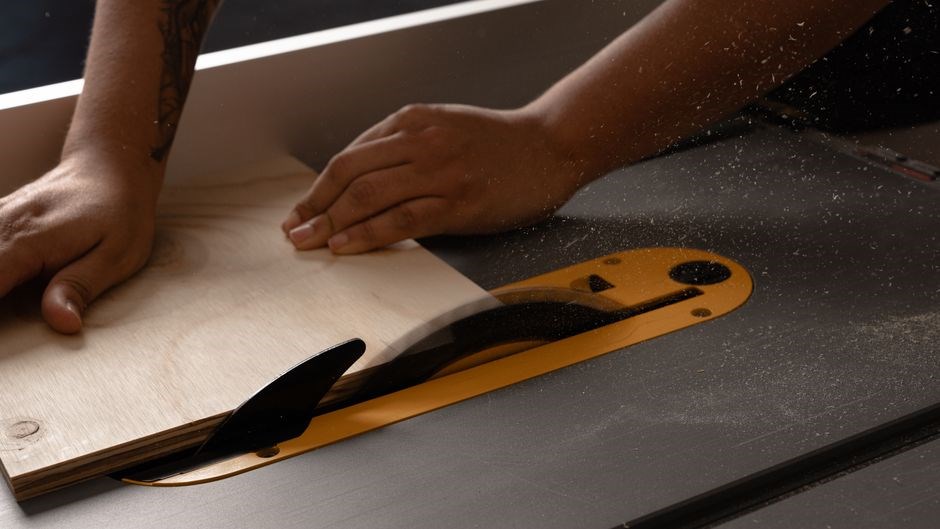
Regular upkeep keeps the 20V Brushless Variable Speed Jig Saw (Model HCB73B) running smoothly and extends its lifespan. Begin by inspecting the blade for wear or damage after each session. Replace a dull or chipped blade immediately; a sharp blade cuts cleaner and reduces vibration. Clean the saw’s body and guard with a soft, damp cloth, removing sawdust and debris that can clog the motor or interfere with the speed sensor. Use a brush or compressed air to clear the motor housing and the blade guard opening, ensuring airflow remains unobstructed. Check the battery pack for swelling, corrosion, or loose connections; if any signs appear, stop use and contact support. Charge the battery in a dry, well‑ventilated area, and avoid over‑charging by unplugging once the indicator reaches full. Inspect the power switch, trigger, and safety lock for smooth operation; lubricate moving parts with a light machine oil if they feel stiff. Verify that the variable speed selector engages correctly; if the speed feels inconsistent, clean the selector mechanism with a cotton swab dipped in isopropyl alcohol. Keep the jig saw in a dry, temperature‑controlled storage area to prevent rust and battery degradation. Store the blade in a protective case to avoid accidental damage. Periodically update the firmware if the manufacturer releases an update, following the instructions in the user manual. By following these steps, you maintain optimal performance, reduce downtime, and ensure safety during every cut. Additionally, store the saw in a toolbox with a moisture‑absorbing packet to prevent rust, and periodically inspect the blade guard for cracks that could compromise safety; A jig saw not only performs better but also offers peace of mind during projects daily! Replace the blade after 200 cuts to precision!!!
Troubleshooting Common Issues and Where to Find Support
When the 20V Brushless Variable Speed Jig Saw (Model HCB73B) behaves unexpectedly, follow a systematic approach. First, verify the battery is fully charged; a low voltage will cause the motor to stall or run at reduced speed. If the saw powers on but the blade does not spin, inspect the blade guard and the blade itself for obstructions or a bent blade. A bent blade can jam the motor, so remove it and replace with a new one. Check the speed selector lever; if it feels loose or does not lock into place, clean the selector mechanism with isopropyl alcohol and ensure the detent is intact. For intermittent cutting or vibration, clean the motor housing and remove any accumulated dust that may impede airflow. Refer to the quick guide for help now. Should the problem persist, contact customer support at 18888665797 or visit the official website’s support page for firmware updates and detailed troubleshooting guides. The manufacturer’s warranty covers defects in materials and workmanship for one year from the purchase date. Keep the original receipt and the user manual for reference. For community assistance, join online forums dedicated to power tools, where experienced users share tips and solutions. Remember to always disconnect the battery before performing any inspection or maintenance to ensure safety. By following these steps, most common issues can be resolved quickly, keeping your jig saw ready for precise cuts and reliable performance.