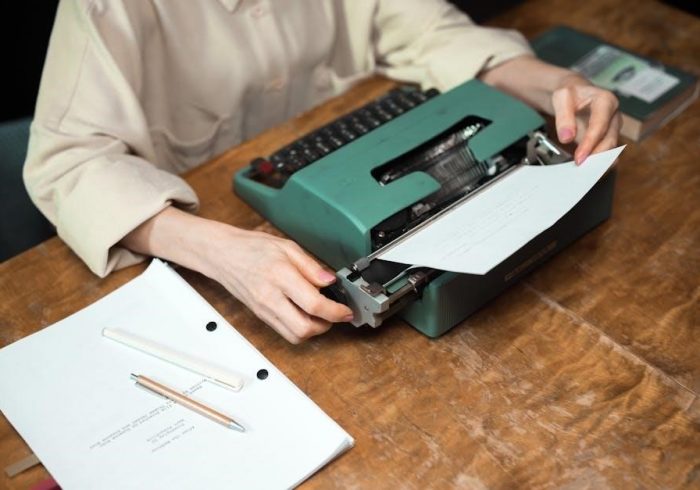
Desk manuals detail each basic task‚ ensuring effective and accurate job completion; they contain step-by-step processes for specific staff roles.
What is a Desk Manual?
A desk manual is a meticulously crafted document that comprehensively describes‚ in granular detail‚ each fundamental task and procedure essential for effectively and accurately accomplishing a specific job. It’s far more than just a list of rules; instead‚ it embodies a collection of information and step-by-step processes uniquely tailored to empower a particular staff member in their daily responsibilities.
Essentially‚ it’s a practical guide designed to standardize operations and ensure consistency across the organization‚ minimizing errors and maximizing efficiency.
The Importance of a Comprehensive Desk Manual
A comprehensive desk manual is crucial for mitigating “brain drain” – the loss of knowledge when employees leave. By meticulously documenting procedures‚ organizations safeguard vital operational expertise. Furthermore‚ detailed manuals ensure consistent service delivery‚ adhering to established business and quality standards.
They also facilitate efficient onboarding of new hires and support continuous skill development‚ ultimately boosting productivity and reducing reliance on individual expertise.
Core Components of a Desk Manual
Core components include clearly defined job responsibilities‚ detailed step-by-step procedures‚ and precise task instructions for effective and accurate job performance.
Defining Job Responsibilities
Clearly outlining roles is fundamental to a successful desk manual. Each position’s duties must be meticulously documented‚ leaving no room for ambiguity. This detailed approach ensures all team members understand their specific contributions to overall business objectives. A well-defined responsibility matrix minimizes overlap and maximizes efficiency.
Furthermore‚ specifying who manages help desk statistics and reporting options is crucial. This clarity empowers employees and fosters accountability‚ directly impacting service quality and operational effectiveness. Precise definitions prevent confusion and streamline workflows.
Step-by-Step Procedures
Detailed procedures are the cornerstone of an effective desk manual. Each task should be broken down into sequential‚ easily-followed steps‚ ensuring consistency and accuracy across the team. These instructions minimize errors and reduce reliance on individual knowledge‚ mitigating “brain drain.”
A robust manual doesn’t just state what needs to be done‚ but how – providing a clear pathway for successful task completion. This approach is vital for onboarding and ongoing training‚ fostering a standardized and efficient workflow for all employees.
Detailed Task Instructions
Comprehensive task instructions within a desk manual are paramount for operational efficiency. These instructions should meticulously describe each basic procedure‚ leaving no room for ambiguity. Clarity is key; use precise language and avoid jargon to ensure all employees‚ regardless of experience‚ can readily understand and execute the required steps.
Detailed guidance minimizes errors‚ promotes consistent service delivery‚ and reduces the need for constant supervision or repeated explanations‚ ultimately boosting productivity and quality.
Aligning the Desk Manual with Business Needs
Help desk manuals must specify reporting options and configurations‚ aligning content with business goals and addressing customer expectations effectively.
Matching Manual Content to Business Goals
A crucial aspect of a successful desk manual is its direct alignment with overarching business objectives. The manual shouldn’t exist in isolation; instead‚ it must actively support the strategies and targets set by the organization. This means carefully considering which procedures and information are most vital for achieving key performance indicators (KPIs).
For example‚ if a business prioritizes rapid customer issue resolution‚ the desk manual should prioritize streamlined troubleshooting steps and clear escalation paths. Conversely‚ if compliance is paramount‚ detailed adherence to regulatory procedures must be thoroughly documented; Regularly reviewing and updating the manual to reflect evolving business goals is essential for sustained relevance.
Addressing Customer Expectations
A well-crafted desk manual directly impacts customer satisfaction by ensuring consistent and high-quality service. It should detail reporting options available to help desk staff and how to configure them for efficient tracking. Defining departmental structures – such as dedicated VIP customer support or country-specific protocols – demonstrates a commitment to personalized service.
By empowering agents with clear procedures‚ the manual minimizes errors and reduces resolution times‚ ultimately exceeding customer expectations. Proactive documentation of potential issues and solutions further enhances the customer experience‚ fostering loyalty and positive brand perception.
Reporting Options and Configuration
Your desk manual must meticulously specify all available reporting options within your help desk system. Detail precisely how each option is configured‚ including data sources‚ filtering criteria‚ and output formats. Clearly name the employees responsible for managing and analyzing help desk statistics‚ ensuring accountability.
Include step-by-step instructions for generating standard reports‚ as well as creating custom reports to address specific business needs. Proper configuration allows for informed decision-making and continuous improvement of support services.

Structuring Your Desk Manual for Efficiency
Organize support teams into departments handling specific customer types – VIPs or those from particular countries – for focused and efficient service delivery.
Organizing by Department
Departmentalization within a desk manual significantly enhances efficiency by channeling specific inquiries to specialized teams. This approach allows for focused expertise and quicker resolution times; Consider creating dedicated departments for VIP customers‚ ensuring prioritized and personalized support experiences. Furthermore‚ structuring support around country-specific protocols addresses unique regional needs and compliance requirements.
This targeted organization minimizes transfer times‚ reduces agent workload‚ and ultimately boosts customer satisfaction. Clearly defined departmental responsibilities‚ documented within the manual‚ prevent confusion and streamline workflows.
VIP Customer Handling Procedures
Dedicated VIP procedures are crucial for maintaining premium service levels. Your desk manual should outline escalated support pathways‚ guaranteeing swift response times and direct access to senior support staff. Prioritize personalized communication‚ proactively anticipating needs and offering tailored solutions.
Document specific protocols for handling VIP complaints‚ emphasizing empathy and immediate resolution. Clearly define service level agreements (SLAs) for VIP customers‚ ensuring consistent and exceptional experiences. These procedures demonstrate value and foster long-term loyalty.
Country-Specific Support Protocols
Global support necessitates tailored protocols acknowledging cultural nuances and language preferences. Your desk manual must detail region-specific contact methods‚ operating hours‚ and preferred communication styles. Include translated FAQs and troubleshooting guides for common issues in each supported language.
Address legal and regulatory compliance requirements unique to each country. Document procedures for handling time zone differences and ensuring data privacy according to local laws. This demonstrates respect and builds trust with international customers.

Creating Effective Procedures
Effective procedures require accuracy and detail in instructions‚ ensuring consistent job completion and minimizing errors; documentation prevents knowledge loss;
Accuracy and Detail in Instructions
Precise instructions are paramount within a desk manual‚ detailing each basic task to guarantee effective and accurate job performance. Ambiguity breeds errors and inconsistencies‚ hindering efficient workflows. Every step must be clearly articulated‚ leaving no room for interpretation.
Consider potential user knowledge gaps and proactively address them within the documentation. Thoroughness extends to including screenshots‚ diagrams‚ or flowcharts where applicable‚ enhancing comprehension. Regularly review and update instructions to reflect process changes‚ maintaining their relevance and reliability.
Ensuring Effective Job Completion
A well-crafted desk manual directly contributes to successful task execution by providing staff with a reliable guide for their specific roles. Detailed‚ step-by-step processes minimize errors and promote consistency in service delivery. By clearly outlining expectations and procedures‚ the manual empowers employees to confidently tackle their responsibilities.
Regularly updated manuals reflect current best practices‚ further enhancing job completion rates and overall operational efficiency. This proactive approach reduces reliance on tribal knowledge and fosters a culture of continuous improvement.
Eliminating Brain Drain through Documentation
Desk manuals are crucial for mitigating “brain drain‚” the loss of knowledge when employees leave. By meticulously documenting procedures and processes‚ organizations safeguard vital information‚ preventing disruption and ensuring continuity. This documentation serves as a readily available resource for new hires and existing staff alike.
Instead of relying on individual expertise‚ a comprehensive manual centralizes knowledge‚ making it accessible to all. This reduces dependency on specific personnel and preserves institutional memory‚ fostering resilience.

Maintaining and Updating the Desk Manual
Regular review and revision are essential; integrate employee feedback and meticulously track changes using version control to ensure accuracy and relevance.
Regular Review and Revision
Consistent desk manual upkeep is paramount for sustained effectiveness. Schedule periodic reviews – quarterly is a good starting point – to validate procedures against current business practices. These reviews should actively solicit feedback from employees utilizing the manual daily.
Identify outdated information‚ inaccuracies‚ or areas needing clarification. Document all revisions meticulously‚ noting the date‚ author‚ and specific changes made. This ensures traceability and accountability. A living document‚ the desk manual thrives on continuous improvement‚ adapting to evolving needs and maintaining its value as a reliable resource.
Version Control and Tracking Changes
Robust version control is critical when maintaining a desk manual. Implement a clear naming convention (e.g.‚ Manual_v1.0‚ Manual_v1.1) to distinguish between iterations. Detailed change logs are essential; record the date‚ author‚ and a concise description of each modification;
Consider utilizing software features designed for document management‚ offering automated versioning and audit trails. This ensures you can revert to previous versions if needed and understand the manual’s evolution. Proper tracking safeguards against confusion and maintains data integrity.
Employee Feedback Integration
Actively solicit feedback from employees who utilize the desk manual. Regular reviews and revisions should incorporate their insights‚ as they directly experience its effectiveness. Implement a simple feedback mechanism – a dedicated email address‚ online form‚ or regular team meetings – to gather suggestions.
This collaborative approach ensures the manual remains relevant‚ accurate‚ and user-friendly. Addressing employee concerns fosters ownership and encourages consistent use‚ ultimately maximizing its value and minimizing “brain drain.”

Desk Manuals and Quality Standards
Desk manuals adhere to established business standards‚ ensuring consistent service delivery and accurate task completion across all departments and personnel.
Adherence to Business Standards
Maintaining alignment with overarching business standards is paramount when crafting a desk manual. The manual should meticulously document procedures that reflect the organization’s quality benchmarks and operational protocols. This ensures every employee operates with a unified understanding of expectations.
Consistent application of these standards‚ as outlined in the manual‚ minimizes errors and promotes a higher level of service quality. It’s about embedding best practices directly into daily workflows‚ fostering a culture of precision and reliability.
Ensuring Consistent Service Delivery
A well-defined desk manual is crucial for delivering consistently high-quality service. By detailing each task and procedure‚ it minimizes variations in how employees approach situations‚ leading to predictable and reliable outcomes for customers. This standardization reduces errors and ensures all clients receive the same level of support.
The manual acts as a central repository of knowledge‚ guaranteeing that even new hires can quickly contribute to maintaining service standards. It’s about creating a repeatable‚ dependable process.

Digital Desk Manuals vs. Traditional Formats
Digital manuals offer benefits like accessibility and searchability‚ unlike traditional formats; they streamline information access and updates for efficient knowledge sharing.
Benefits of Digital Manuals
Digital desk manuals revolutionize knowledge access‚ offering significant advantages over traditional paper-based systems. Accessibility is paramount; information is available anytime‚ anywhere‚ with an internet connection. Searchability dramatically reduces time spent locating specific procedures‚ boosting efficiency.
Version control becomes streamlined‚ ensuring employees always reference the most current guidelines. Updates are instantaneous and cost-effective‚ eliminating printing and distribution expenses. Furthermore‚ digital formats facilitate integration with other systems‚ like knowledge management platforms‚ enhancing overall organizational learning and performance.
Accessibility and Searchability
Digital desk manuals excel in accessibility‚ providing instant information access to employees regardless of location‚ with just an internet connection. This contrasts sharply with the limitations of physical manuals. Crucially‚ searchability is vastly improved; users can quickly pinpoint specific procedures using keywords‚ saving valuable time.
This rapid retrieval of information minimizes downtime and enhances problem-solving capabilities. Effective search functions are vital for efficient operation‚ ensuring staff can readily find the guidance they need to perform their duties accurately and swiftly.
The Role of the Desk Manual in Training
Desk manuals are invaluable for onboarding new employees and supporting continuous skill development‚ providing a structured resource for consistent training.
Onboarding New Employees
Desk manuals significantly streamline the onboarding process for new hires. Instead of relying solely on shadowing or lengthy explanations‚ a comprehensive manual provides a readily available resource detailing essential procedures. This allows new team members to quickly grasp their responsibilities and begin contributing effectively.
The structured format ensures consistency in training‚ minimizing knowledge gaps and reducing the burden on experienced staff. New employees can independently review processes at their own pace‚ fostering confidence and accelerating their integration into the team. A well-maintained desk manual is a cornerstone of efficient onboarding.
Continuous Skill Development
Desk manuals aren’t just for initial training; they’re vital for continuous skill development. As procedures evolve or new technologies are adopted‚ updating the manual ensures all employees have access to the latest best practices. This fosters a culture of ongoing learning and improvement.
Regularly referencing the manual reinforces correct procedures and minimizes errors. It serves as a valuable refresher‚ particularly for complex tasks‚ and supports consistent service delivery. A dynamic desk manual empowers employees to enhance their skills and stay proficient.

Desk Manuals and Compliance
Desk manuals document compliance procedures‚ ensuring adherence to business standards and meeting regulatory requirements for consistent‚ auditable operations.
Documenting Compliance Procedures
A robust desk manual is crucial for meticulously documenting all compliance procedures within an organization. This detailed documentation ensures every employee understands and consistently follows established protocols‚ minimizing risk and fostering a culture of accountability. Specifically‚ the manual should outline steps for adhering to industry regulations and internal policies.
Clear‚ step-by-step instructions are paramount‚ leaving no room for ambiguity. Regularly updating these procedures‚ and tracking changes via version control‚ is essential to maintain compliance in a dynamic regulatory landscape. This proactive approach safeguards the business and demonstrates due diligence.
Meeting Regulatory Requirements
A comprehensive desk manual plays a vital role in ensuring an organization meets all applicable regulatory requirements. It serves as a central repository for documented procedures‚ demonstrating adherence to legal standards and industry best practices. Detailed instructions within the manual should specifically address compliance-related tasks‚ minimizing potential legal liabilities.
Regularly reviewing and updating the manual to reflect changes in regulations is crucial. This proactive approach‚ coupled with version control‚ ensures ongoing compliance and provides a clear audit trail for regulatory inspections.

Advanced Desk Manual Features
Advanced manuals incorporate troubleshooting guides and frequently asked questions (FAQs) to empower users with self-service solutions and rapid problem resolution.
Troubleshooting Guides
Comprehensive troubleshooting guides are essential components of advanced desk manuals‚ offering systematic approaches to resolving common issues. These guides should detail potential problems‚ their likely causes‚ and step-by-step solutions‚ empowering support staff – and even end-users – to independently address challenges.
Effective guides utilize clear language‚ visual aids like screenshots‚ and decision trees to navigate complex scenarios. They minimize reliance on senior personnel‚ reducing response times and improving overall efficiency. Regularly updating these guides with new issues and resolutions is crucial for maintaining their value.
Frequently Asked Questions (FAQs)
A robust FAQ section within a desk manual proactively addresses common queries from both support staff and customers. These questions and answers should cover a wide range of topics‚ from basic operational procedures to more complex troubleshooting steps.
Well-crafted FAQs reduce the volume of repetitive inquiries‚ freeing up support personnel to focus on more challenging issues. Regularly reviewing and updating the FAQ section based on incoming questions ensures its continued relevance and effectiveness‚ improving self-service capabilities.

Measuring Desk Manual Effectiveness
Track usage and feedback to identify areas for improvement within the desk manual‚ ensuring it remains a valuable resource for all employees.
Tracking Usage and Feedback
Consistent monitoring of desk manual usage is crucial for gauging its effectiveness. Implement tracking mechanisms to determine which sections are frequently accessed and which remain largely untouched. This data reveals areas needing clarification or potential removal;
Actively solicit feedback from employees utilizing the manual. Surveys‚ feedback forms‚ and regular check-ins provide valuable insights into usability and content accuracy. Address reported issues promptly‚ demonstrating a commitment to continuous improvement.
Analyze feedback trends to identify recurring problems or gaps in documentation. This iterative process ensures the desk manual remains a relevant and helpful resource‚ adapting to evolving business needs and employee requirements.
Identifying Areas for Improvement
Regularly analyze desk manual usage data to pinpoint sections with low engagement‚ indicating potential confusion or irrelevance. Combine this with employee feedback – surveys and direct comments – to uncover specific pain points.
Look for patterns in reported issues; recurring questions or errors suggest areas needing clarification or expanded detail. Consider conducting usability testing‚ observing employees as they attempt to complete tasks using the manual.
Prioritize improvements based on impact and frequency. Address critical errors immediately‚ then tackle areas that would significantly enhance efficiency or reduce support requests.
Future Trends in Desk Manuals
AI-powered manuals and integration with knowledge management systems are emerging‚ promising smarter‚ more accessible documentation and streamlined information retrieval.
Integration with Knowledge Management Systems
Seamlessly connecting desk manuals with broader knowledge management systems represents a significant evolution. This integration moves beyond static documentation‚ fostering a dynamic‚ searchable repository of organizational intelligence. Employees gain access to a unified platform‚ eliminating information silos and promoting consistent application of procedures.
Such systems enable efficient updates‚ version control‚ and collaborative knowledge sharing. By linking desk manuals to a central knowledge base‚ organizations can ensure accuracy‚ reduce redundancy‚ and empower employees with the right information at the point of need‚ ultimately boosting productivity and service quality.
AI-Powered Desk Manuals
The future of desk manuals is rapidly being shaped by Artificial Intelligence. AI can dynamically update procedures based on real-time data‚ analyze user queries to identify knowledge gaps‚ and even personalize content for individual roles. Imagine a manual that proactively suggests solutions based on the current task!
AI-driven search functionality drastically improves accessibility‚ while automated content creation and maintenance reduce administrative burden. This technology promises to transform static guides into intelligent‚ adaptive resources‚ enhancing efficiency and employee empowerment.
A consistently updated desk manual is paramount for operational success. It minimizes “brain drain” by documenting crucial processes‚ ensuring consistent service delivery and adherence to business standards. Regular review‚ version control‚ and employee feedback integration are vital for maintaining relevance.
Ultimately‚ a robust desk manual isn’t just documentation; it’s an investment in employee empowerment‚ streamlined workflows‚ and a resilient‚ adaptable organization prepared for future challenges and growth.