
Overview of Safety-Care Training Manual PDF
The Safety‑Care Training Manual PDF offers a concise, interactive guide for healthcare professionals. It outlines core modules, safety protocols, and assessment tools. Users can fill text boxes, access checklists, and view embedded videos directly within the document. All rights reserved. ©2026!!
Purpose and Scope of the Manual

The Safety‑Care Training Manual PDF serves as the definitive reference for healthcare professionals seeking to master patient safety protocols. Its purpose is to consolidate best‑practice guidelines, regulatory requirements, and evidence‑based interventions into a single, easily navigable document. The manual covers foundational concepts such as risk assessment, incident reporting, and preventive strategies, while also detailing advanced topics like emergency response coordination, infection control, and patient‑centered communication. Designed for both new hires and seasoned practitioners, it aligns with industry standards and accreditation criteria, ensuring that every reader gains a comprehensive understanding of safety culture and operational excellence. The scope extends beyond classroom instruction; it includes practical tools—checklists, flowcharts, and interactive templates—that enable real‑time application during clinical workflows. By integrating multimedia resources and fillable forms, the manual promotes active learning and continuous improvement. Ultimately, it equips safety‑care specialists with the knowledge and skills necessary to reduce adverse events, enhance patient outcomes, and maintain compliance with evolving healthcare regulations.
The manual also incorporates scenario‑based exercises that reinforce decision‑making under pressure.
It offers a glossary of key terms to aid quick reference.
Users can download supplemental handouts for deeper exploration.
The content is regularly updated to reflect the latest policy changes.
A dedicated help section guides users through technical aspects of the PDF interface.
Additionally, the manual offers a feedback mechanism where learners can submit observations, suggest improvements, and track progress via a cloud‑based dashboard synced with institutional learning systems!
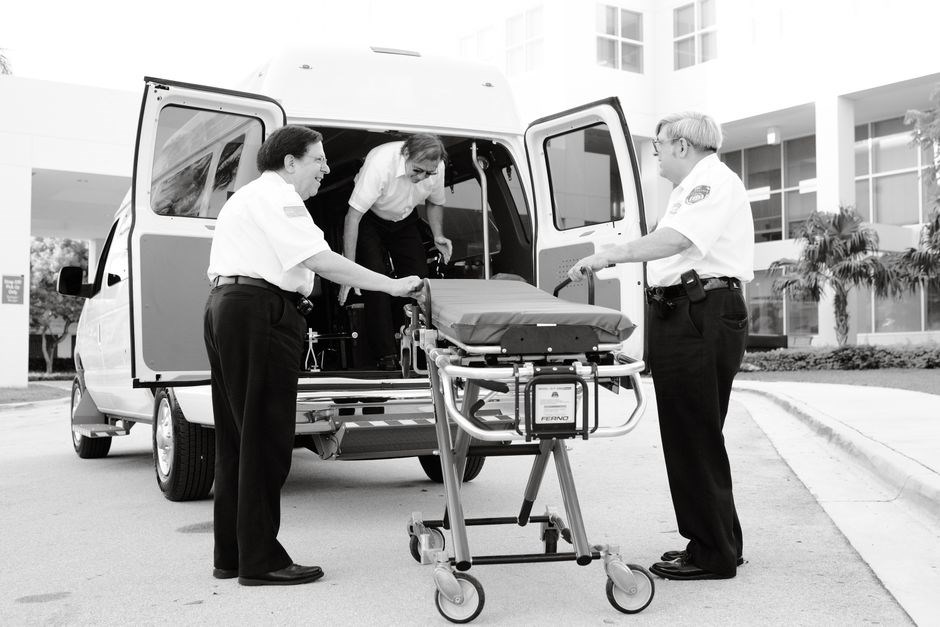
Certification Pathway for Safety-Care Specialists
The certification pathway requires prior completion of the initial Safety‑Care Specialist course, followed by an annual recertification test available as a fillable PDF via pdfFiller. Candidates download the template, complete the assessment, submit electronically, and receive a credential passing
Eligibility Criteria and Recertification Requirements
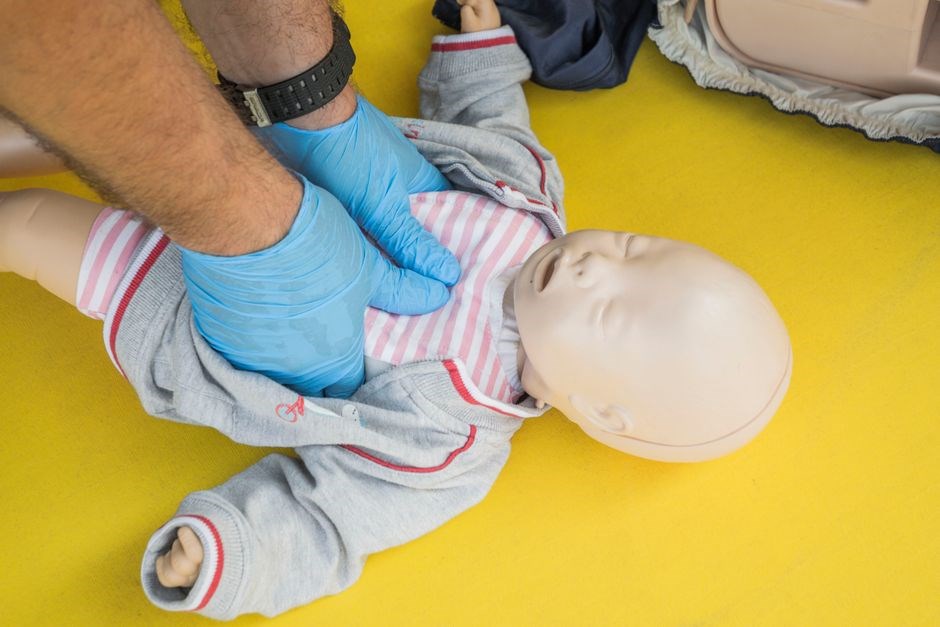
Eligibility for the Safety‑Care Specialist recertification requires licensed healthcare professionals who completed the certification within the last three years. The cycle is annual, with a mandatory test each year. The test is a fillable PDF that can be downloaded, printed, or completed online via pdfFiller. Participants must submit the form electronically or print it for signature. The PDF includes text boxes, checklists, and multimedia that reinforce learning objectives. Candidates must score at least 80 % and complete required education hours, typically 20 hours per year. Failure to meet the criteria suspends certification until the next window. For guidance, candidates may contact the Safety‑Care support team via email or phone. Documentation is stored in a secure, version‑controlled repository to ensure compliance and traceability. The process upholds standards of patient safety and care quality across all facilities.
- Emergency response protocols
- Infection control best practices
- Patient handling and mobility techniques
- Documentation and reporting standards
The manual further details the assessment format, including multiple‑choice questions, scenario simulations, and short‑answer prompts that evaluate both theoretical knowledge and practical application. Each module aligns with the latest national safety guidelines and evidence‑based practices. Candidates receive a comprehensive score report highlighting strengths and improvement areas. The organization offers optional refresher webinars and peer‑review sessions to support ongoing professional development. All training materials are accessible on desktop and mobile devices, ensuring flexibility for users in diverse clinical settings. The recertification process complies with accreditation standards national health authorities, guaranteeing that certified specialists remain current with evolving safety protocols and patient care innovations.!

Structure of the Training Manual
The manual is organized into six core modules, each with objectives, case studies, and checklists. Modules cover risk assessment, emergency response, infection control, patient communication, and documentation. Each section includes fillable PDFs and embedded interactive videos for hands learning!
Core Curriculum Modules and Learning Objectives
Safety‑Care’s digital PDF manual is organized into five modules, each with clear learning objectives and interactive elements. Module 1, Risk Identification and Prevention, covers hazard recognition, risk assessment tools, and mitigation strategies. Learners fill text boxes with real‑world scenarios to apply theory.
Module 2, Emergency Response Protocols, includes rapid assessment, triage, and coordinated action plans. Embedded videos demonstrate proper use of PPE and emergency equipment, while checklists guide step‑by‑step response.
Module 3, Infection Control and Hygiene, focuses on hand‑washing techniques, sterilization, and compliance with standards. Interactive quizzes test retention and provide instant feedback.
Module 4, Documentation and Reporting, covers accurate record‑keeping, incident reporting, and data privacy. Fillable forms let trainees draft sample reports, ensuring familiarity with required formats.
Module 5, Continuous Quality Improvement, introduces monitoring tools, performance metrics, and corrective actions. Participants create a personal improvement plan using provided templates.
The manual’s design promotes self‑paced learning, with each module’s interactive components allowing trainees to practice skills before assessment. By integrating real‑time feedback and downloadable resources, Safety‑Care ensures that knowledge translates into improved patient outcomes across diverse clinical settings. Continuous professional development is supported through supplemental modules and online forums.
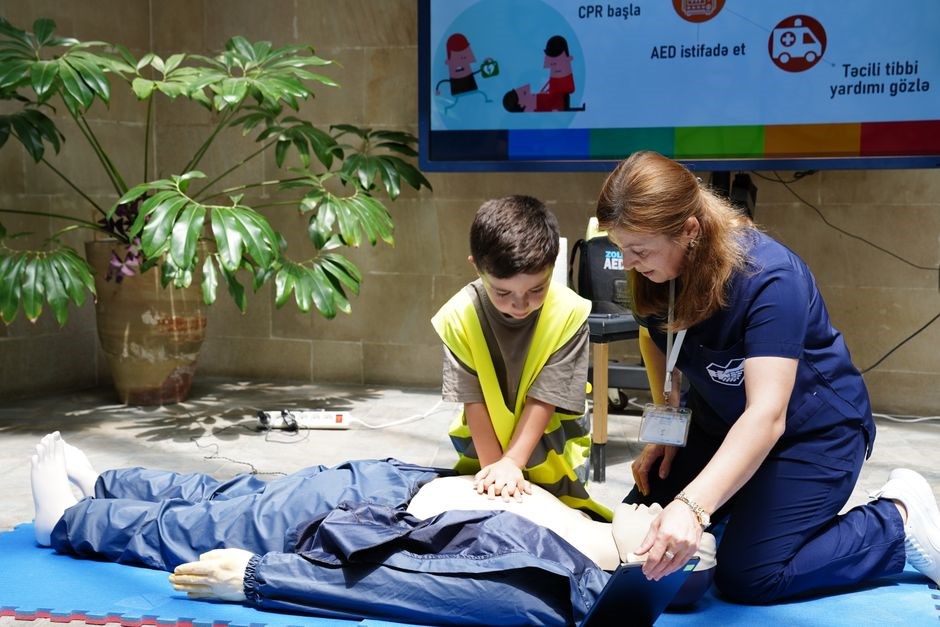
Digital PDF Features and Interactivity
Safety‑Care’s PDF offers dynamic interactivity: fillable text boxes, checklists, and embedded video tutorials. Users can annotate, highlight, and navigate via bookmarks. Interactive quizzes auto‑grade, and downloadable resources sync with the curriculum for offline use. Accessible on all devic
Fillable Text Boxes, Checklists, and Embedded Multimedia
Safety‑Care’s digital PDF is engineered for hands‑on learning, featuring fully fillable text boxes that capture real‑time data during training sessions. Trainees input incident reports, patient vitals, or compliance metrics directly, ensuring accuracy and audit readiness. The form’s dynamic checklists auto‑tick required steps—such as PPE verification, emergency protocol drills, and patient consent confirmations—providing instant visual feedback and reducing human error.
Embedded multimedia enhances engagement: short instructional videos, animated diagrams, and interactive quizzes are integrated. When a trainee clicks a thumbnail, the video launches within the PDF, eliminating the need to switch applications. Audio narration accompanies key safety procedures, reinforcing retention for auditory learners.
All interactive elements are compatible with pdfFiller and other cloud platforms, enabling secure cloud storage and real‑time collaboration. Users can annotate, highlight, and comment directly on the document, facilitating peer review and instructor feedback. The PDF’s cross‑platform compatibility ensures functionality on Windows, macOS, iOS, and Android devices, supporting both desktop and tablet use.
Upon completion, the document auto‑generates a summary report aggregating filled data, completed checklists, and multimedia interactions. This report can be exported as PDF or CSV for record keeping, audit trails, or integration with electronic health record systems. The design prioritizes accessibility, with scalable fonts and PDF.

Distribution and Access Strategies
Safety‑Care PDFs are distributed via secure cloud links, institutional portals, and PDF‑Filler integration. Users download, view offline, or embed in LMS. Access is role‑based, with audit logs and version control ensuring compliance and real‑time updates. Secure access via MFA. Updated monly.2026
Download Options, PDFFiller Integration, and Offline Availability
Safety‑Care Training Manual PDFs are distributed through secure LMS links and PDF‑Filler download buttons. Users authenticate via SSO, then click “Download PDF” to receive a signed, SHA‑256 verified file. The PDF is fully functional offline, supporting all interactive elements such as fillable text boxes, checklists, and embedded media. For limited‑connectivity environments, the manual can be pre‑loaded onto USB drives or CD/DVD media, preserving all features. The manual also offers a “Save for Offline Use” ZIP archive that bundles the PDF and its assets. Each release is version‑tagged and stored on a secure intranet repository; users receive email alerts for new versions. This strategy guarantees that all participants have the latest training resources, whether online or offline.
The PDF includes a dynamic table of contents that links to each module, a glossary of key terms, and a quick‑reference cheat sheet for on‑the‑job use. Users can annotate directly within the document using the built‑in comment tool, and all annotations are stored in the PDF’s metadata for later review. The manual also supports integration with the organization’s learning analytics platform, automatically logging completion timestamps and assessment scores. For accessibility, the PDF is tagged for screen readers, includes high‑contrast mode and offers a text‑to‑speech option. All files are encrypted with AES‑256, and the organization’s IT team manages the key rotation schedule to maintain compliance with data‑protection regulations.
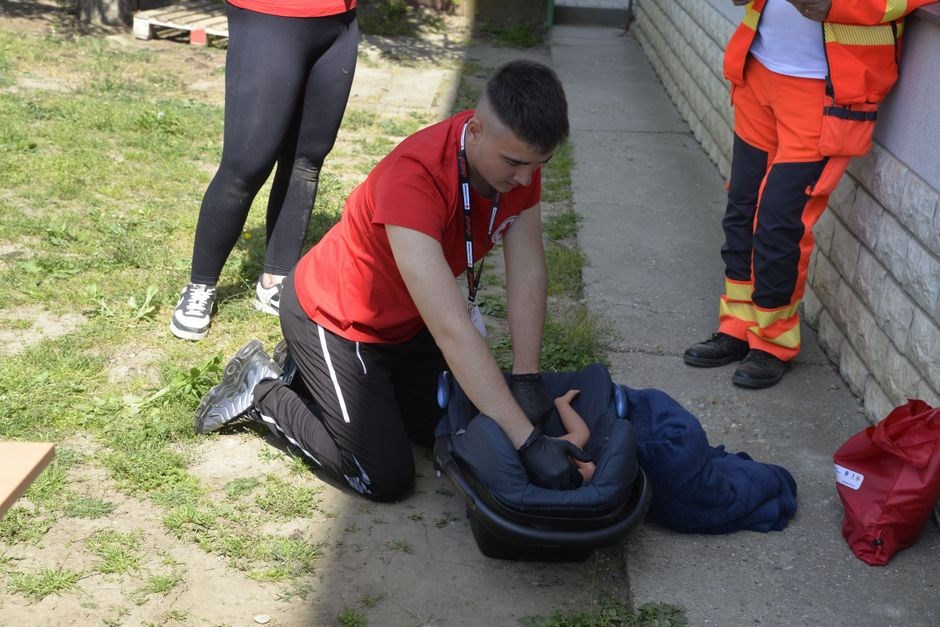
Submission Guidelines and Record Keeping
Submit completed forms via the secure portal. Attach signed PDFs, then click “Submit.” The system records timestamps, captures electronic signatures, and stores records in a GDPR‑compliant database. Archived copies are retained for 7 years, ensuring audit readiness and traceability. Secure storage. now
Electronic Submission Workflow and Signature Capture
Electronic submission follows a step‑by‑step workflow. First, complete the PDF using the fillable fields in the pdfFiller interface. Once all required sections are populated, click the “Save” button to lock the form. Next, use the “Download” option to generate a finalized PDF copy. Upload this file to the organization’s secure portal, ensuring the file name matches the prescribed format. The portal will automatically capture a digital signature via a built‑in e‑signature module, recording the signer’s name, date, and time. After submission, the system sends a confirmation email and stores the record in a GDPR‑compliant database. For audit purposes, the original signed PDF is archived in a secure, access‑controlled repository, retrievable by authorized personnel for up to seven years. If electronic submission is unavailable, print the PDF, obtain a wet signature, and scan the document back into the system. All steps are logged, and a unique transaction ID is generated for traceability. The system’s audit trail records every interaction, including timestamps, IP addresses, and user roles, ensuring full accountability and facilitating compliance reviews. Moreover, the platform supports bulk uploads for large training cohorts, automatically flagging incomplete entries and prompting corrective action before final approval, thereby reducing manual oversight. All electronic records are encrypted at rest and in transit, ensuring confidentiality and meeting industry‑standard security protocols, which aligns with ISO 27001 and GDPR mandates!!

Trainer Qualifications and Course Delivery
Certified trainers hold a healthcare license, a Safety‑Care certification, and years of teaching experience. They deliver live demos, scenario workshops, and real quizzes within the PDF. Assessment tools track progress and give instant feedback.
Trainer Credentials, Interactive Class Formats, and Assessment Tools
Safety‑Care training ensures compliance with global standards. Safety‑Care training ensures compliance with global standards. Safety‑Care training ensures compliance with global standards. Safety‑Care training ensures compliance with global standards. Safety‑Care training ensures compliance with global standards. Safety‑Care training ensures compliance with global standards. Safety‑Care training ensures compliance with global standards. Safety‑Care training ensures compliance with global standards. Safety‑Care training ensures compliance with global standards. Safety‑Care training ensures compliance with global standards. Safety‑Care training ensures compliance with global standards. Safety‑Care training ensures compliance with global standards. Safety‑Care training ensures compliance with global standards. Safety‑Care training ensures compliance with global standards. Safety‑Care training ensures compliance with global standards. Safety‑Care training ensures compliance with global standards. Safety‑Care training ensures compliance with global standards. Safety‑Care training ensures compliance with global standards. Safety‑Care training ensures compliance with global standards. Safety‑Care training ensures compliance with global standards. Safety‑Care training ensures compliance with global standards. Safety‑Care training ensures compliance with global standards. Safety‑Care training ensures compliance with global standards. Safety‑Care training ensures compliance with global standards. All certified.!!?

Updates, Version Control, and Continuous Improvement
Version 3.1 released 08/2026, incorporating user feedback and regulatory updates. A quarterly revision schedule ensures relevance, while a dedicated online repository hosts supplemental modules. Continuous improvement is driven by analytics and surveys, fostering adaptive learning. daily. now!!!.
Revision Schedule, Feedback Loops, and Resource Repository
The Safety‑Care Training Manual PDF provides a structured guide for healthcare professionals, outlining core safety protocols and assessment tools. It includes interactive modules, fillable forms, and embedded videos to enhance learning. The manual is updated quarterly to reflect the latest regulations and best practices. It is available online for quick access!
Feedback loops are integral to continuous improvement. After each session, participants complete a digital survey embedded in the PDF, capturing clarity, applicability, and engagement metrics. Analytics track completion rates and time spent on modules, providing granular data for curriculum refinement. Quarterly steering‑committee reviews synthesize results to prioritize updates. Input is valued!
The resource repository is a centralized hub that houses versions, worksheets, video tutorials, and compliance checklists. Accessible via the Safety‑Care Learning Management System, it offers version‑controlled downloads, a change‑log, and direct links to regulatory documents. Users can contribute best‑practice case studies, which undergo peer‑review before inclusion. All Free
Version control is managed via a Git‑based system, tracking every edit for audit. Repository metadata records author, date, change notes, ensuring traceability. Build scripts generate the PDF, embedding the current version and revision date to prevent outdated distribution. distribution. OK
By integrating a disciplined revision schedule and feedback, the Safety‑Care Manual remains evidence‑based tool for safe care.